
2026-10-18 ·
Roof Repair vs. Replacement: Signs It May Be Time for a New Roof in Springfield, IL
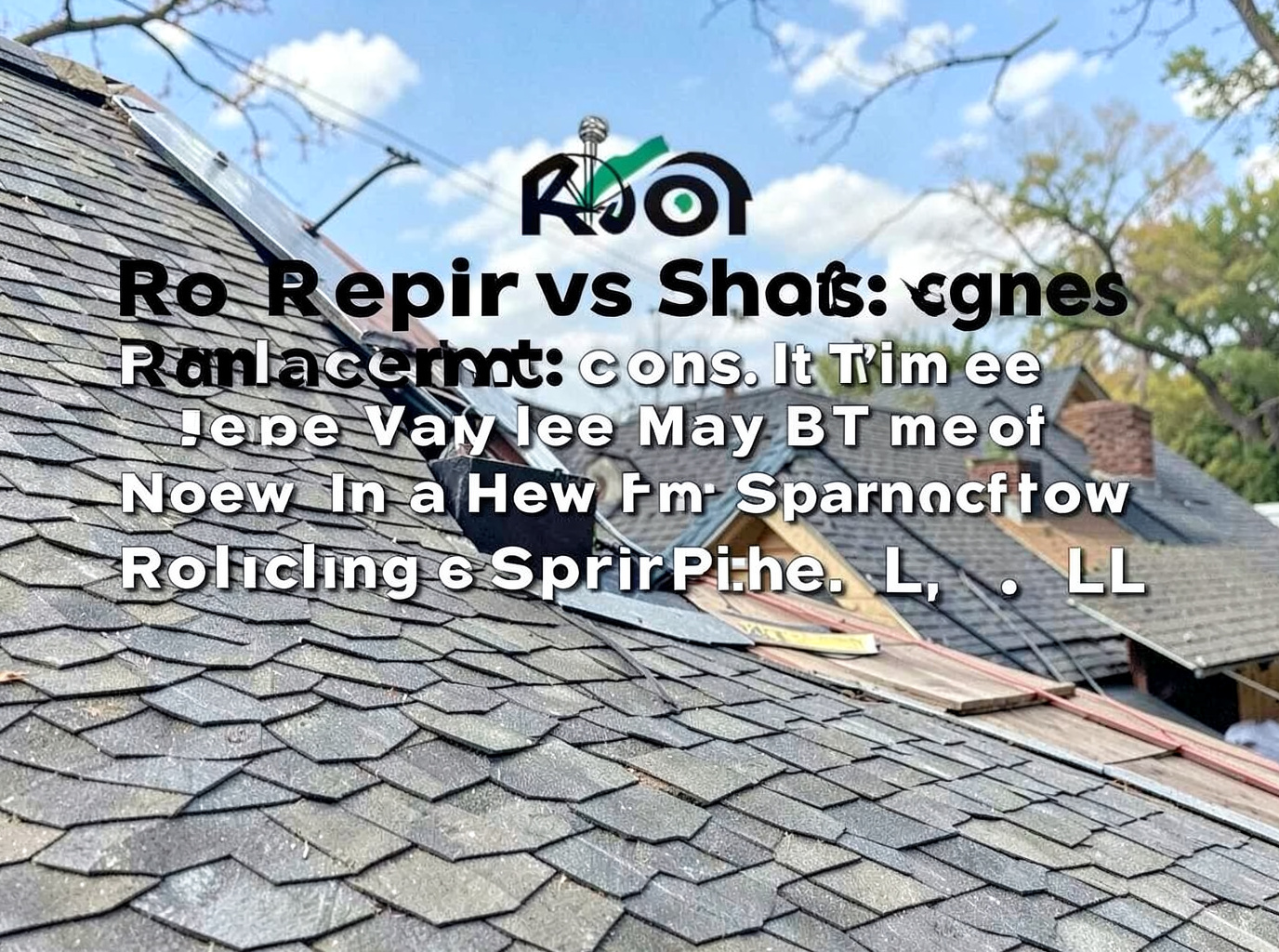
When roof issues in Springfield stem from widespread shingle failure or repeated leaks tied to cold winters and hot summers, replacement typically becomes the practical choice over repeated repairs for homes built decades ago. Local housing stock in Sangamon County often features asphalt shingles exposed to freeze-thaw cycles that crack flashing and degrade underlayment faster than in milder regions. Owners in Downtown Springfield or Laketown notice these patterns first on south-facing slopes where summer heat accelerates granule loss. Checking for sagging decking or multiple active leaks after storms helps decide the next step without guessing.
Evaluating Visible Damage Patterns
Springfield roofs face unique stresses from humid continental conditions, where heavy snow followed by rapid thaws creates ice dams along eaves in neighborhoods such as Enos Park and Oak Ridge. Curling or missing shingles combined with daylight visible from the attic often signal decking deterioration that simple patch repairs cannot address long term. Water stains spreading across multiple rooms after heavy rain point to underlayment breakdown rather than an isolated leak. In these cases, a full assessment of the entire surface reveals whether localized fixes will hold through another season of temperature swings. Homes near the Illinois State Capitol or Abraham Lincoln Presidential Library frequently share similar construction eras, making consistent wear patterns common across blocks.
Climate Effects on Local Roofs
Hot summers in Sangamon County bake asphalt shingles, causing them to become brittle and lose protective granules at an accelerated rate compared to cooler climates. Cold winters then introduce expansion and contraction that opens seams around vents and chimneys, especially on older homes in Laketown or near Oak Ridge Cemetery. These cycles lead to recurring leaks that repair crews address repeatedly until the underlying structure weakens. Wind gusts common in the area can lift edges on weakened sections, allowing moisture to enter during spring storms. Understanding how these seasonal shifts interact with specific roofing materials guides whether targeted fixes suffice or if the entire system requires updating to match current exposure levels.
Deciding Between Repair and Replacement
Repair remains viable for isolated damage such as a single hail dent or wind-torn section when the rest of the roof retains solid integrity and recent inspections confirm no widespread issues. Replacement enters consideration once leaks appear in three or more locations or when the roof surface shows uniform aging across slopes. Local crews serving Chatham, Rochester, Sherman, and Auburn often evaluate decking condition during visits because hidden rot from prior moisture can turn a small job into a larger project. Factors like attic ventilation and insulation also influence the decision, as poor airflow worsens ice dam formation each winter. Weighing these elements against the cost of ongoing service calls helps homeowners plan without unnecessary repeat visits.
Practical Next Steps for Springfield Homeowners
Schedule an inspection that examines both exterior surfaces and attic conditions before committing to either path, particularly for properties in North End or West Side areas where tree cover can hide developing problems. Document any active leaks with photos timed after rainfall to share with the contractor. For homes experiencing repeated winter issues, reviewing prevention methods such as proper insulation upgrades connects directly to reducing future damage. When replacement surfaces as the better option, exploring options through established local services ensures the new system accounts for Sangamon County weather extremes. This approach keeps decisions grounded in the actual conditions present rather than assumptions.